Understanding Cbus TPD Claims | Your Comprehensive Guide

Written by
Principal Lawyer and Director · Last updated 31 August 2026
4.9 from 265+ verified Google reviews Read all reviews
Key takeaway: A Cbus TPD claim pays a lump sum when illness or injury leaves you unlikely to return to work suited to your education, training or experience. You generally need 3 consecutive months off work before lodging, Cbus aims to decide within 12 months, and in 2020 to 2021 it paid over $258 million across 2,477 claims.
Cbus TPD Claims: Quick Answers
Navigating Cbus TPD claims can feel overwhelming, especially when you’re already dealing with a serious illness or injury. If you’re a member of Cbus Super and wondering how to access your total and permanent disability insurance, you’re not alone.
We’ve helped countless Australians who were searching for a clear Cbus TPD claims guide, providing upfront answers about typical Cbus claim processing time, eligibility requirements, and payout amounts.
So, how do Cbus TPD claims really work? How can you make sure your application isn’t delayed or rejected? In this guide, we’ll break it all down clearly, helping you understand your rights, obligations, and how Withstand Lawyers can support your journey to a successful TPD claim.

What Is Cbus Super and How Does It Handle TPD Claims?
Construction and Building Unions Superannuation (Cbus) is one of Australia’s largest industry super funds, originally established in 1984 to support workers in the construction and building industries. Today, Cbus Super manages over $70 billion in member funds and supports more than 850,000 members nationwide, many of whom are eligible for Cbus TPD claims through their superannuation-linked insurance.
In the 2020, 2021 financial year alone, Cbus processed 2,477 insurance claims, paying out more than $258 million in total disability and death benefits , a strong reflection of its active insurance program and commitment to member welfare.
What Does Cbus Super Insurance Offer?
Cbus Super Insurance provides members with financial protection through three main types of cover: Total and Permanent Disability (TPD) insurance, income protection, and death cover. Understanding what each type offers , and whether you’re eligible , is essential for making a successful Cbus insurance claim.
Cbus TPD Cover
Cbus TPD insurance offers a lump sum payout if you become unlikely to ever return to work in an occupation suited to your education, training, or experience. This definition is broader than many people realise. You may still qualify for a Cbus TPD claim even if you’re technically able to work in another field, depending on your circumstances.
Eligibility factors may include:
-
Whether you were employed at the time of your illness or injury
-
If you ceased work due to your medical condition
-
The specific terms of your Cbus insurance policy
Our experienced TPD lawyers work closely with Cbus to request your exact insurance policy, assess your circumstances, and provide a clear legal opinion on your eligibility to lodge a Cbus TPD claim.
Cbus Income Protection
Cbus income protection insurance offers monthly income payments if you’re temporarily unable to work due to illness or injury. This cover is designed to support your ongoing living expenses during your recovery period.
Cbus Death Cover
Cbus death cover provides a lump sum benefit to your beneficiaries if you pass away or are diagnosed with a terminal illness. It ensures your loved ones are financially protected during difficult times.
Cbus TPD Insurance Eligibility Criteria
To make a successful TPD claim with Cbus Super, you must meet several important eligibility requirements. First and foremost, you need to have been an active Cbus Super member with valid TPD insurance cover at the time of your disablement or the last date you worked.
In addition to having an active policy, your situation must satisfy the specific TPD definitions, terms, and conditions outlined in your insurance policy. These vary depending on your occupation category and the date your cover began.
Our team can review your TPD policy and advise you on your eligility. Contact us today for a free claim assessment for personalised advice regarding your claim.
General Eligibility Criteria for a Cbus TPD Claim
A key general requirement is that you must be unable to work due to illness or injury for at least three consecutive months before lodging your TPD claim. However, if you are diagnosed with a specified medical condition, assessed and confirmed by a qualified medical practitioner, the insurer may waive this waiting period and proceed with the assessment immediately.
It’s important to understand that Cbus TPD eligibility is not one-size-fits-all. Your medical history, employment status, and type of insurance cover all play a role. Some medical conditions may exclude you from eligibility, while others may qualify you for immediate assessment.
That’s why we strongly recommend speaking with our experienced TPD lawyers. We can help you:
-
Confirm whether your Cbus TPD cover was active
-
Interpret your specific policy terms
-
Determine your eligibility and legal options
Contact us today for a free claim assessment. We can review your CBUS Super Insurance policy and lodge a claim on your behalf, all on a No Win No Fee basis.

How to Make a Cbus Super Claim for TPD, Income Protection or Death Benefits
If you’re a Cbus Super member and unable to work due to illness, injury, or other serious circumstances, you may be eligible to make a Cbus TPD claim, income protection claim, or access Cbus death benefits. Knowing how to lodge a successful Cbus superannuation claim starts with understanding your policy and preparing the right evidence.
Step-by-Step Process to Make a Cbus TPD Claim
-
Check Your Eligibility
First, determine if your case meets the eligibility criteria outlined in your Cbus insurance policy. This includes confirming whether your cover was active at the time of injury or illness and whether your medical condition meets the insurer’s definition of TPD. -
Gather Supporting Evidence
Building a strong claim relies heavily on documentation. You’ll generally need to provide:-
Medical reports from your treating doctors
-
Test results and diagnostic imaging
-
Identification documents (e.g., passport or certified driver’s licence)
-
Education, training, and work history evidence
-
Employment termination documents
-
Financial evidence, such as payslips, group certificates, or tax returns
This evidence is essential to show both your employment situation and the impact of your medical condition in line with your Cbus TPD policy terms.
-
-
Lodge Your Claim
Once your documentation is complete, your TPD claim is submitted to the insurer. The insurer will then assess the claim and may:-
Accept the claim
-
Defer the decision, requesting further information
-
Decline the claim
-
Making a clear, well-supported claim from the beginning can significantly reduce delays and improve your chances of success.
Need help lodging a Cbus Super claim? Our experienced TPD and superannuation lawyers offer a free claim assessment and can guide you through the entire process and maximise your claim. Contact us today.
What Happens After You Lodge a Cbus TPD Claim?
Once your Cbus TPD claim is submitted, the insurer will assess your application and issue one of three outcomes: accepted, deferred, or declined. Here’s what each decision means for you:
TPD Claim Accepted by Cbus
If your TPD claim is accepted, you will receive a formal letter outlining:
-
The terms of acceptance
-
Applicable taxes
-
Your options for receiving the payment
You can choose from the following payout methods:
-
Receive the full TPD benefit directly into your bank account
-
Retain some or all of the payment in your Cbus superannuation account
-
Transfer the payment to a Cbus Super Income Stream account or another complying super fund
Our TPD lawyers can help you understand which option best suits your financial and legal situation.
TPD Claim Deferred by Cbus
A deferred Cbus TPD claim means the insurer needs more time to assess whether your condition qualifies as a total and permanent disability. This may happen if:
-
You are scheduled for further medical treatment or surgery
-
Your treating doctor believes your condition may improve over time
-
Your recovery timeline is uncertain
The insurer will reassess your claim once the deferral period ends or new medical evidence is provided.
TPD Claim Declined by Cbus
If your Cbus super claim is declined, you’ll receive a written explanation outlining the reasons. Common reasons include:
-
Insufficient medical evidence
-
Not meeting the policy’s definition of TPD
-
Lapses in insurance cover
Even if your claim is denied, you have the right to challenge the decision. We strongly recommend contacting our experienced TPD lawyers for a detailed review of your case. We provide a free claim assessment and can advise you on the best legal pathway forward after having your claim denied. Contact today to see how we can help.
Cbus Claim Processing Time , How Long Does a TPD Claim Take?
One of the most common questions from members is: “How long does a Cbus TPD claim take?” While there’s no strict legal deadline that insurers, including Cbus Super, must follow for processing superannuation TPD claims, there are general timeframes you can expect.
Typically, once a Cbus TPD claim is successfully lodged with all supporting documentation, the insurer aims to make a decision within 12 months. However, several factors can influence this timeline, including:
-
The complexity of your medical condition
-
The need for additional evidence or medical reports
-
Delays from employers, doctors, or other third parties
-
Whether your claim is accepted, deferred, or declined
To avoid unnecessary delays, it’s essential to submit a complete and well-supported claim from the start. Our experienced TPD lawyers can help you prepare your Cbus claim thoroughly and push for timely outcomes.
Cbus TPD Claim FAQs
What is a Cbus TPD claim?
Who is eligible to make a Cbus TPD claim?
How long does a Cbus TPD claim take to process?
How much does Cbus pay out for TPD and insurance claims?
How do I make a Cbus super claim for TPD?
What happens after I lodge a Cbus TPD claim?
Does Cbus super insurance include income protection and death cover?
Can I make a Cbus TPD claim if I could still work in a different job?
About the author
Issa Rabaya · Principal Lawyer and Director
✓ Admitted to the Supreme Court of NSW and High Court of Australia ✓ LLB ✓ IRO-approved ✓ Law Society of NSW
Acts for injured people in CTP, workers compensation, TPD and public liability claims.
Why Choose Withstand Lawyers for Your Cbus TPD Claim?
When you are too unwell to work, the last thing you need is a fight with an insurer. Withstand Lawyers has spent decades helping people with serious injuries and illnesses claim the TPD benefits sitting quietly inside their super. Withstand Lawyers has recovered more than $60 million for clients with a 99% success rate, and every claim runs on a no win no fee basis with no upfront costs. From checking your Cbus cover to challenging a deferred or declined decision, Withstand Lawyers handles the paperwork and pressure so you can focus on your health.
Call 1800 952 898 for a free claim check. No win, no fee, no upfront costs.
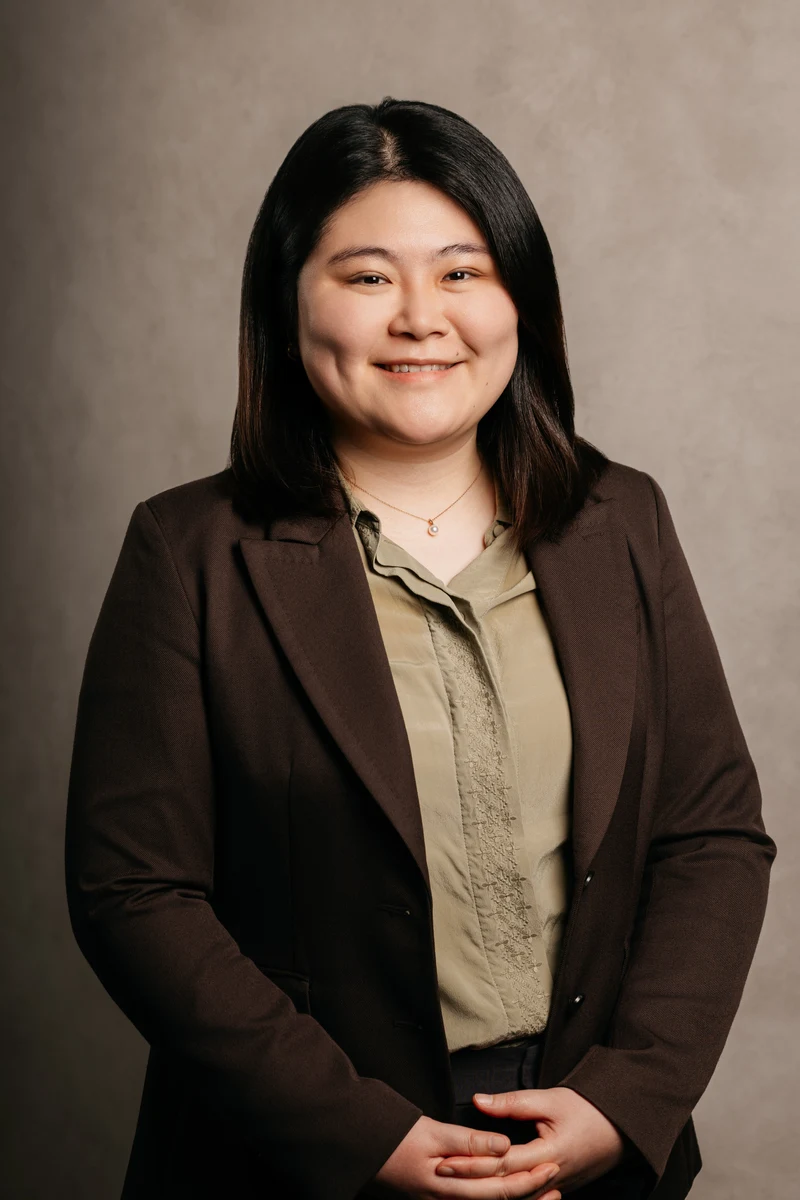
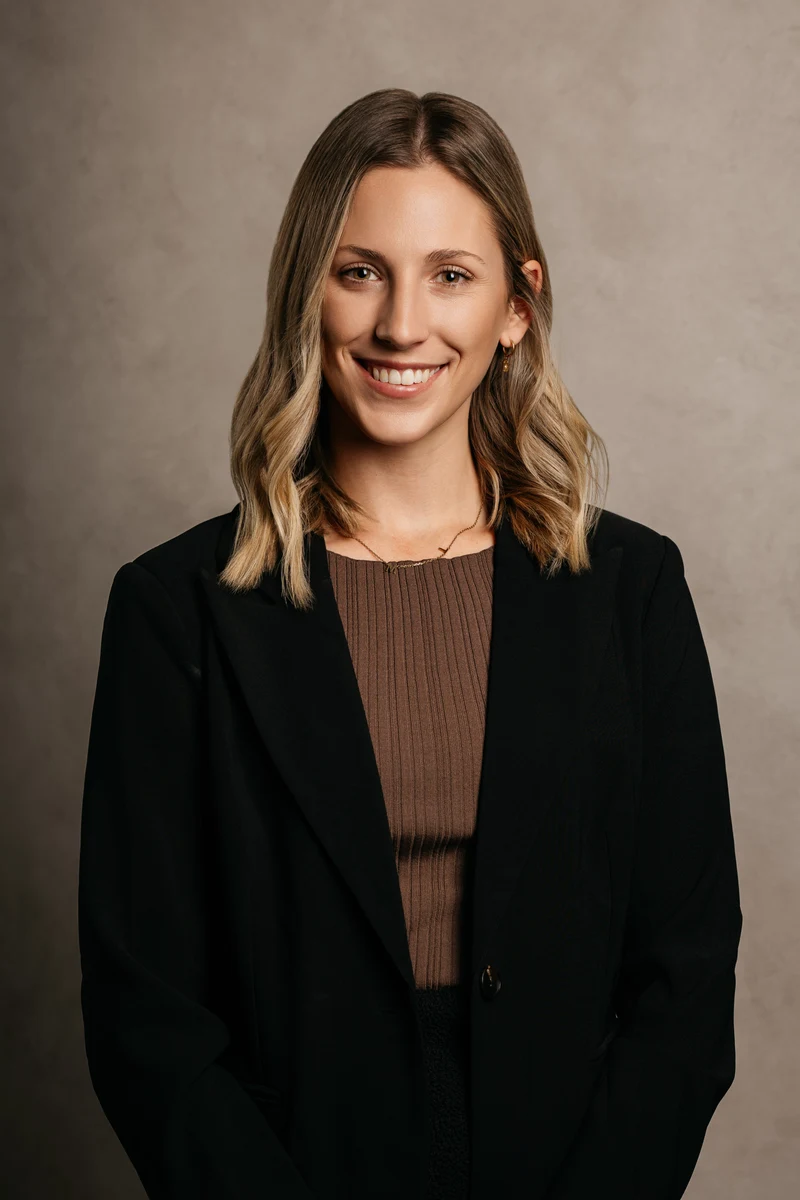
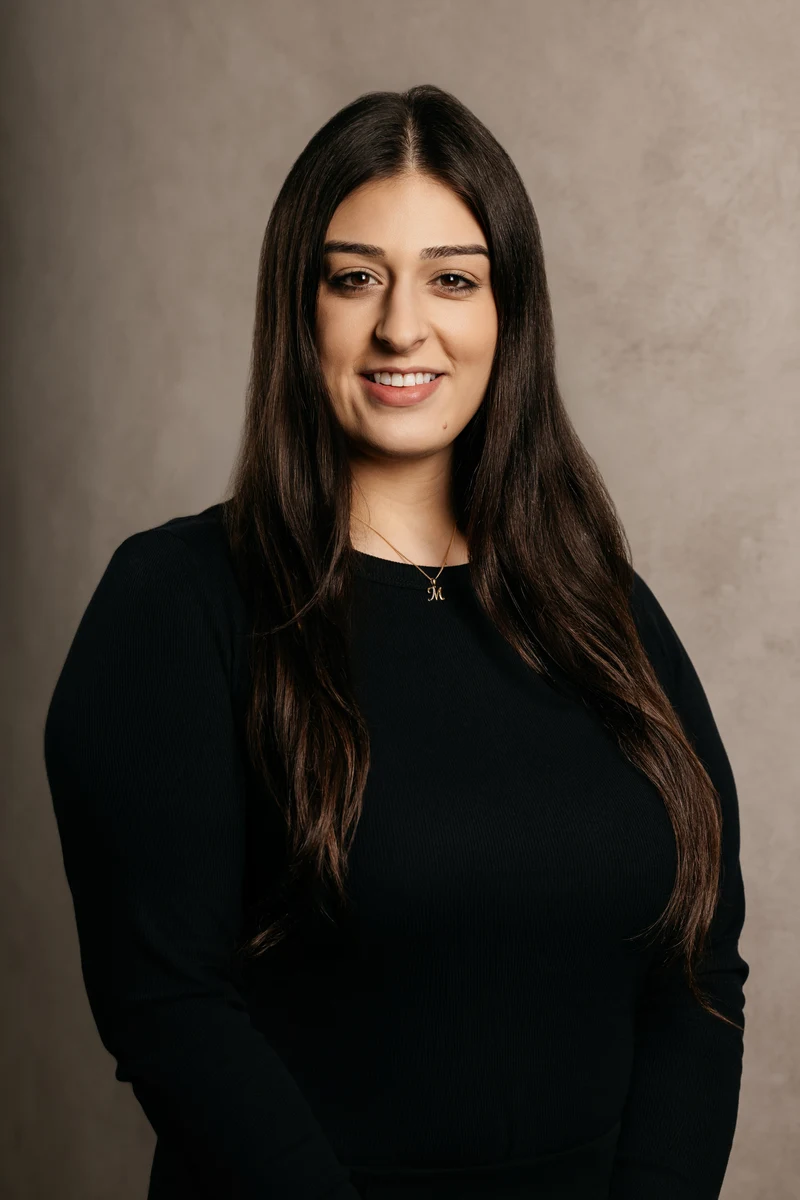
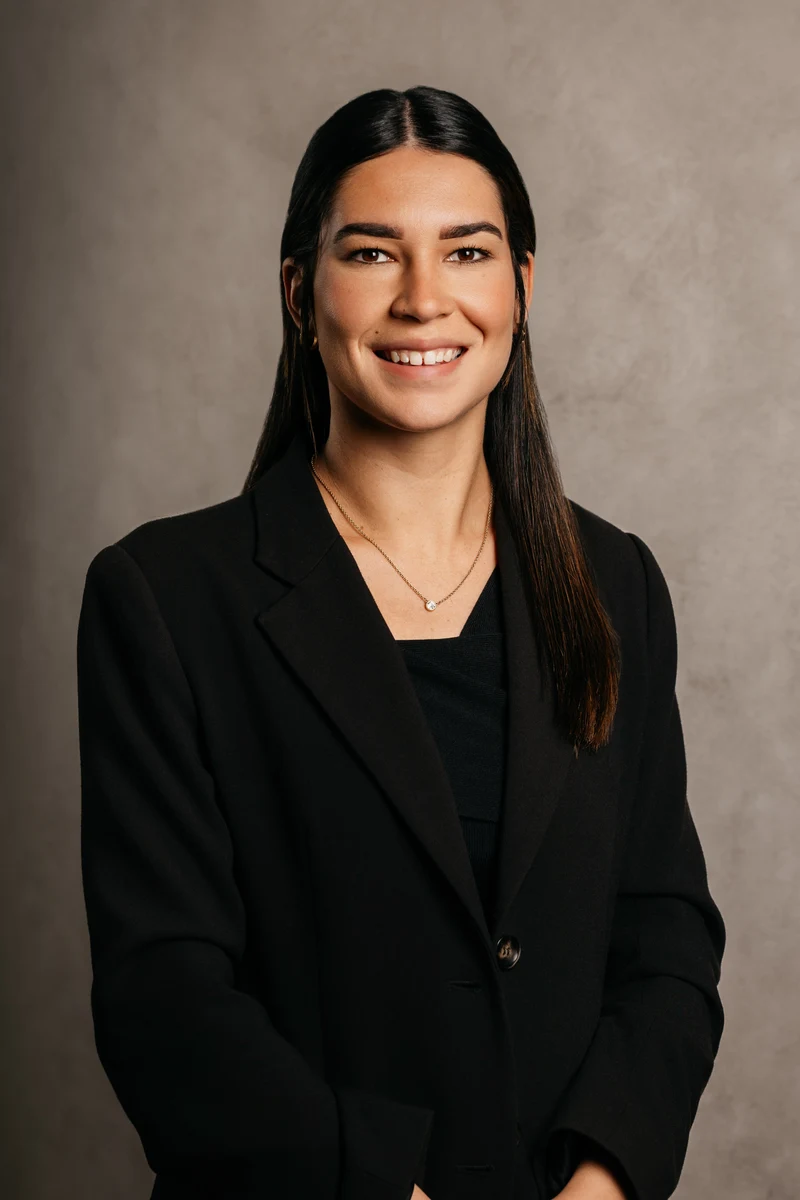
“Working with Esther has been an absolute blessing during an incredibly difficult time. Anyone who has ever had to navigate an insurance claim knows just how difficult, overwhelming, and anxiety-inducing the entire process can be. Before reaching out to Withstand Lawyers, I was constantly stressed and deeply overwhelmed by the system. The firm made the initial intake process incredibly smooth, and they placed me in the hands of my lawyer, Esther. From that moment on, from the first conversation, I finally found my solid ground. Esther has completely transformed how I navigate this unfortunate situation. Because she handles my matter directly, I have a direct line of contact with her and never have to jump through hoops to get support. Esther’s presence alone has given me immense confidence in my claim. What sets her apart is her perfect balance of professional mastery and genuine empathy. As a client, having a lawyer who truly listens and supports you when your mind is filled with doubt is a massive relief. She doesn’t just manage a file — she consistently protects her client’s peace of mind. Her recommendations are always highly logical, realistic, and clear-cut. She cuts through the legal confusion and tells you exactly where you stand, which is exactly what you need during the hardest times of your life. I feel incredibly lucky to have Esther and her team at Withstand Lawyers by my side. For anyone out there facing a difficult time with an insurer and looking for a legal advocate who offers absolute clarity, strength, and compassion — I cannot recommend Esther highly enough. She is a truly admirable professional who genuinely cares about the people she protects. Truly grateful!” “I have searched top lawyers (personal injury) in Sydney. I found Withstand Lawyers so I rang them up and asked I need lawyers that are nicer and more understanding despite what I am going through. They exceeded my expectations especially Issa, he always remind everyone to be more cautious when speaking to me and I really appreciate that. I am satisfied that my case (MVA) turned out to be successful. Withstand lawyers is more than 5 stars. Can’t recommend highly enough.” “I would like to express my deepest appreciation for the incredible support I’ve received over the past 4.5 years. My case has been long, complicated, and filled with challenges, but Issa and his team stood by me through every step with genuine care, professionalism, and dedication. Their compassion has meant just as much to me as their legal expertise. They didn’t just handle my case, they helped me through some of the most difficult years of my life. I wholeheartedly recommend them to anyone who needs genuine support, honesty, and a team that truly cares about your wellbeing.” “Thank you Withstand Lawyer for your exceptional work, professionalism and easy process for successfully assisting me with my TPD claim. I am thankful for your support. I highly recommend Withstand Lawyers and the services they provide.” “Had a very positive experience with Withstand Lawyers. The team was professional, knowledgeable, and supportive throughout the entire process. They took the time to explain everything clearly, kept me informed at every stage, and responded promptly to my questions. Their attention to detail and commitment to achieving the best possible outcome gave me confidence from start to finish. I truly appreciate their dedication and excellent service, and I would highly recommend Withstand Lawyers to anyone looking for reliable and trustworthy service.” Every TPD and superannuation claim is handled by a personal injury lawyer with dedicated TPD and superannuation experience. Issa Rabaya Director, Lawyer Founder and Director with 12 years' experience since his 2014 admission, previously at the largest litigation law firm in Australia. A personal injury lawyer for serious injuries, leading Withstand Lawyers' work across every claim type, with settlements reaching into the millions, including a $6.3 million motor vehicle accident result. Mihana Wen Associate Associate with 6 years' experience since 2020 and a recent $1.95 million motor vehicle accident settlement, known for not taking no for an answer and lodging appeal submissions for injuries insurers try to deem below the 11% whole person impairment threshold for pain and suffering. The go-to for car accident claims, guiding clients from the first CTP submission through to settlement with a compassionate, hands-on approach. Isabel Sarcia Senior Lawyer Lawyer with 6 years' experience since 2020, working exclusively in TPD and superannuation claims, necessary because these claims turn on strict super fund definitions and procedure that few generalist lawyers see day to day. Specialises in lodging TPD claims efficiently, cutting through fund delays so claims are accepted faster and in full. Maria Drosos Associate Lawyer with 6 years' experience since 2020, working exclusively in TPD and superannuation claims, necessary because these claims turn on precise policy wording and medical evidence that few generalist lawyers handle daily. Specialises in lodging TPD claims efficiently, managing the insurer requests and medical reports that decide the outcome. Chenoa Ingram Lawyer · 4+ yrs experience Lawyer with 4+ years' hands-on experience in personal injury claims, built inside the firm before her 2026 admission, known for being organised and efficient in progressing clients' workers compensation, work injury damages, public liability and TPD claims. Lauren Bergan Lawyer · 4+ yrs experience4.9 ★ — 265+ Reviews
Meet Your TPD & Superannuation Lawyers